

Speaker
,Author
Martha Nussbaum
FollowMartha Nussbaum is Ernst Freund Distinguished Service Professor of Law and Ethics at the University of Chicago. She is internationally renowned for her work in Ancient Greek and Roman philosophy, feminist philosophy, political philosophy, and philosophy and the arts, and has been awarded honorary degrees from sixty-nine universities across the world. Her wide-ranging work includes The Fragility of Goodness (1986), The Therapy of Desire (1994), Sex and Social Justice (1999), Upheavals of Thought (2001), Creating Capabilities (2011), Anger and Forgiveness (2016), The Cosmopolitan Tradition (2019), and Justice for Animals (2023), as well as over five hundred articles. She won the Kyoto Prize in 2016, the Bergguren Prize in 2018, and the Holberg Prize in 2021.

Martha Nussbaum is Ernst Freund Distinguished Service Professor of Law and Ethics at the University of Chicago. She is internationally renowned for her work in Ancient Greek and Roman philosophy, feminist philosophy, political philosophy, and philosophy and the arts, and has been awarded honorary degrees from sixty-nine universities across the world. Her wide-ranging work includes The Fragility of Goodness (1986), The Therapy of Desire (1994), Sex and Social Justice (1999), Upheavals of Thought (2001), Creating Capabilities (2011), Anger and Forgiveness (2016), The Cosmopolitan Tradition (2019), and Justice for Animals (2023), as well as over five hundred articles. She won the Kyoto Prize in 2016, the Bergguren Prize in 2018, and the Holberg Prize in 2021.
Martha Nussbaum Videos

Martha Nussbaum Articles

More Videos

The Problem of Evil

Morality of the Tribe

The lure of Lucifer

Our sins and our selves

The Mystery of the Good

Lies and beauty

The really real

The Good, The Bad, and the Controversial

Rethinking Feminism

Being Human and Being Good

Why Philosophy Won't Go Away

The good, the bad, and the unknown

Is religion dangerous?

After Buddhism

The last taboo

Doing right and feeling good

Thinking Good and Doing Evil

On Evil

Trouble in Heaven

On Humans and Animals

Dancing with the Devil
Rethinking Science and Spirituality

Can Animals Be Moral?

Reason and the Gods

New gods
The Fountain

Morality and Mindfulness

How to See Things Clearly
The Death of God and the War On Terror

Ethics, Darwin and Dante

Good and evil around the globe
Belief and the gods

The Myth of Being Happy

Science and Religion

In Place of Prejudice

Death and the Human Animal

God is an Orgasm

Of Lies and Necessity

Return of the Pagans

Moral Animals and Our Place in the Universe

The Point of It All

The Age of Nothing

The Banality of Evil

Life's secret
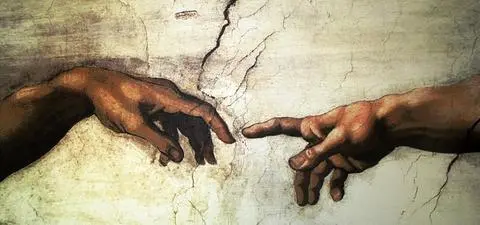
Beyond Good and Evil II

True to myself

A Tale of Love and Hate

Competition versus Cooperation
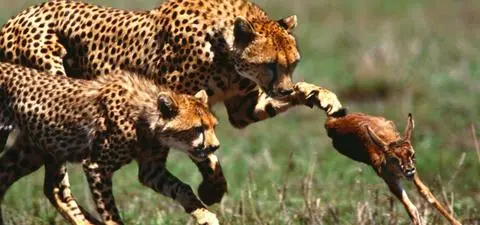
Morality, cruelty, and freedom

In the Beginning was Nature
More Articles

Against Relativism

Democracy on Trial

Justice Beyond Privacy

A Great British Conspiracy

The Referendum Fallout

On the Spot: George Galloway

Editorial: the Road to Hell
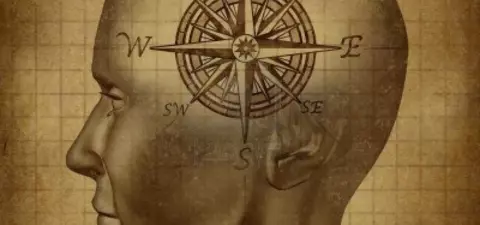
The Human Compass

Being Free and Making Choices

A Tribal World

The Wealth of Ideas

The Shame Game

4 Perspectives on Post-Truth Politics
Post-Truth in 7 Debates

Anarchy, Open Borders and Utopia

Immigration and Identity

Trump: The Post-Modern Nightmare

Can Love Really Conquer All?

A New Nationalism
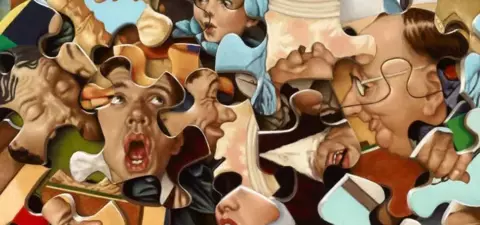
The Art of Community
Issue 55: A Tribal World

The Beautiful Game

On the Enduring Appeal of Ayn Rand’s Philosophy

Truth, Resistance and Societal Evil

Is Facebook Making Us Less Free?

Authenticity, Alienation and Privilege

Can rituals save us from loneliness?

Could ritual spaces encourage collaboration?
Issue 61: Return of the Ritual

We Need to Save Our Democracy from Political Bullies Before It's Too Late