Monday 7th December - 07:20 PM GMT
Talk: The Anthropology of Good and Evil
Are there any moral truths?
Every culture has its own taboos, duties and ideas of the good—so can any moral law claim to bind us all? Sociologist Steven Lukes, author of The Diversity of Morals, a New Yorker book of the year, insists that taking moral plurality seriously does not oblige us to give up the capacity to judge good and bad actions. Philosopher Alex Rosenberg, the self-styled "nice-nihilist," argues that there are no moral facts at all, only a shared core of evolved dispositions across cultures. Taking the anthropological record as their starting point, Lukes and Rosenberg will ask whether the idea of morality can survive the discovery that different cultures have very different ideas of good and evil.
Big ideas in your inbox.
Updates from the world's greatest minds - plus offers and discounts.
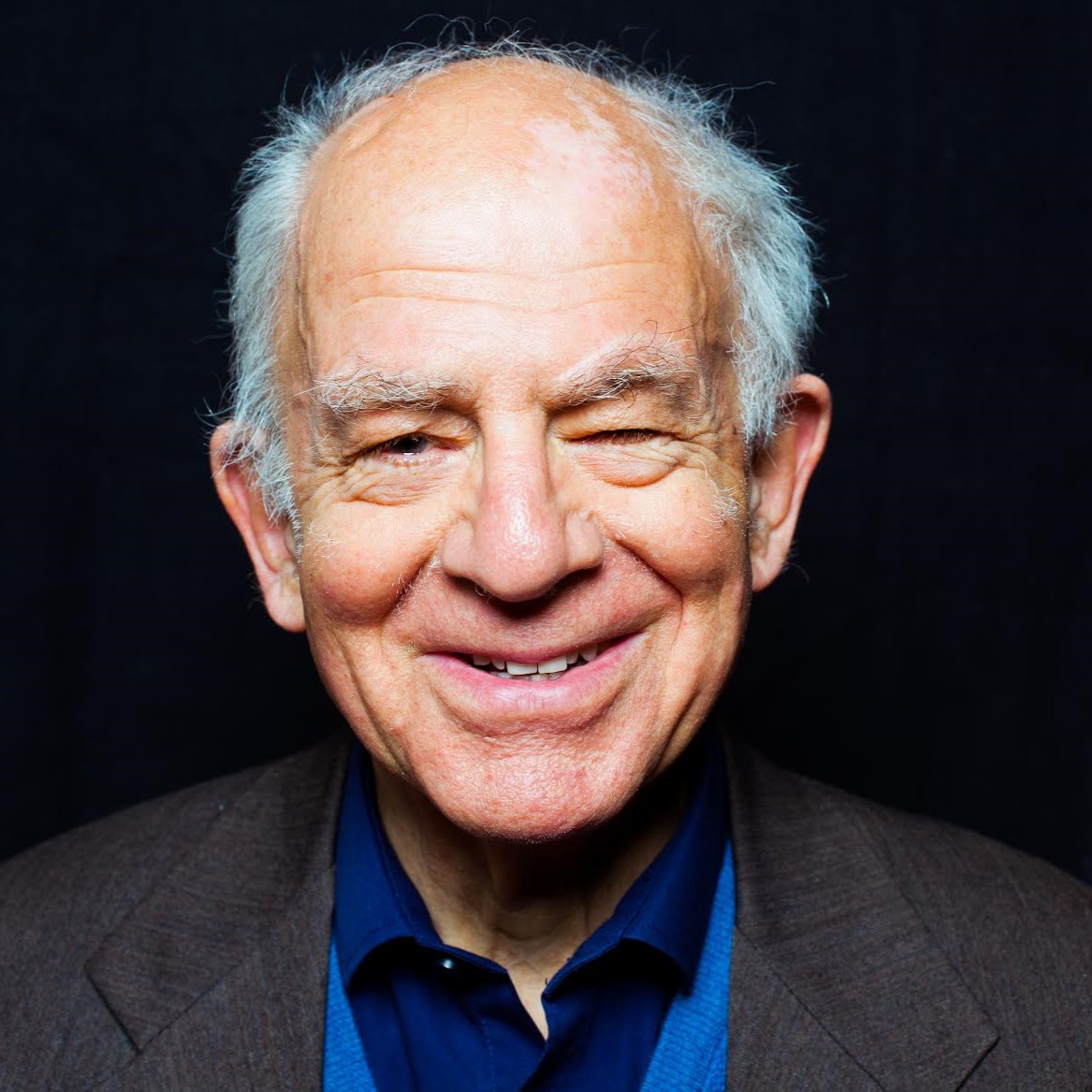
Steven Lukes
Theorist of power and morality
Steven Lukes is the sociologist who says moral diversity is vast and runs deep, and that this is no reason to stop judging. He made his name with Power: A Radical View, which argued that the most effective power never has to give an order: it shapes what you want in the first place. The book sparked a debate that is still running. Ever since, he has worked where philosophy meets anthropology, asking how humans went from dividing the world into “us” and “them” to imagining a shared humanity, and why we keep failing to live up to it.
Lukes is Professor Emeritus of Sociology at New York University and a Fellow of the British Academy. He has also taught at Oxford, the European University Institute in Florence, the University of Siena and the London School of Economics.
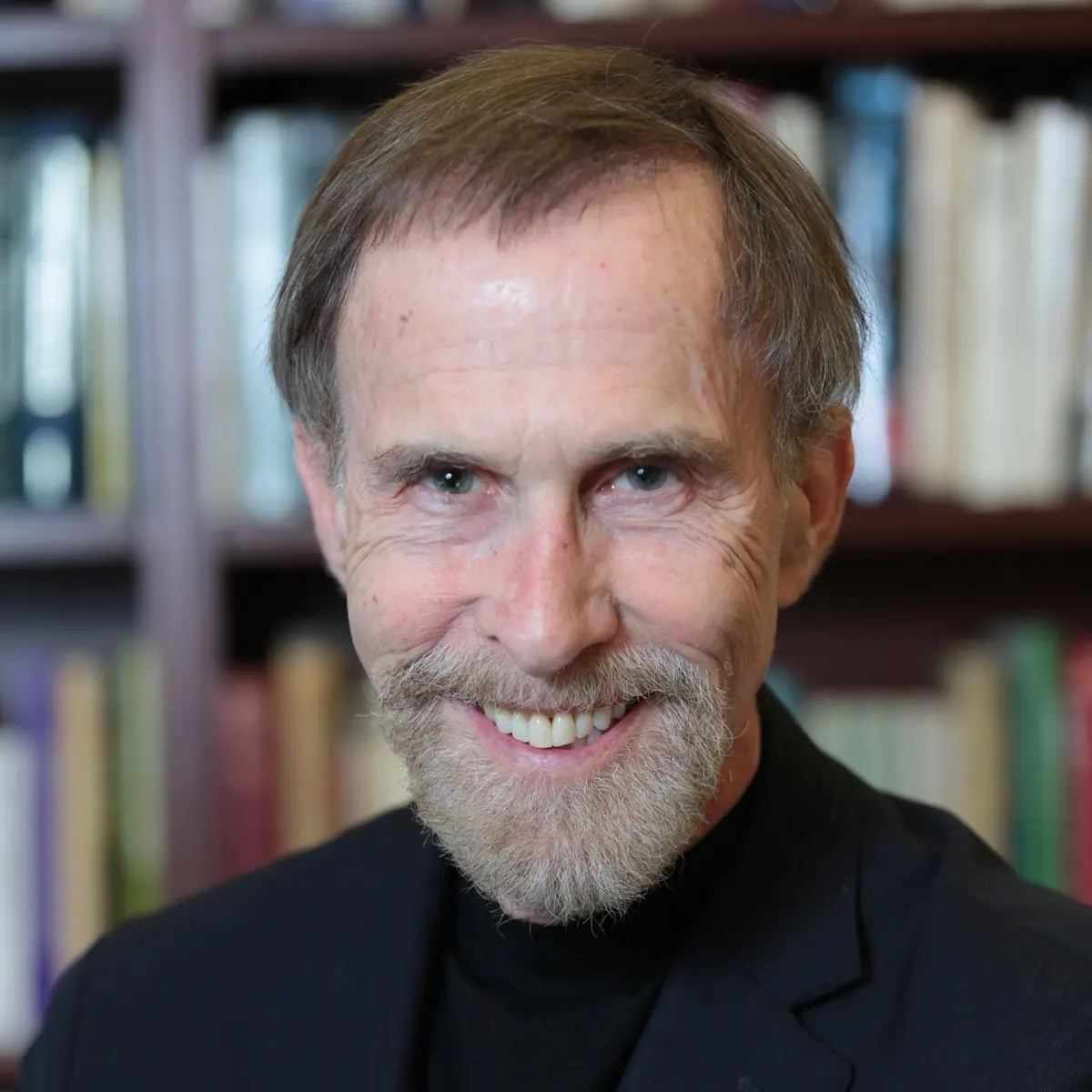
Alex Rosenberg
'Nice Nihilist' Philosopher
Alex Rosenberg, the self-proclaimed “nice nihilist,” is an award-winning philosopher and the author of The Atheist’s Guide to Reality. His argument that there are no moral facts, only evolved dispositions to cooperate, is one of the most uncompromising defences of nihilism in contemporary philosophy. It insists we can give up belief in morality and keep the behaviour.
His other books include The Structure of Biological Science and How History Gets Things Wrong. He has won the Lakatos Award in the philosophy of science and held fellowships from the Guggenheim Foundation and the National Humanities Center. He is R. Taylor Cole Professor of Philosophy at Duke University.