

Monday 6th July - 06:00 PM BST
Catching Sight of the Universe
The cosmos, the observer, and the problem with "everything"
Cosmology’s grand ambition is to describe the universe in its entirety. But critics argue this project is doomed. To describe everything, we would have to step outside the universe and perceive it from a “God’s eye view.” Furthermore, any theory of everything would itself be part of the everything it seeks to describe, and would need to account for itself. And the challenge is no longer only philosophical. The celebrated “maps” of the universe, derived from radiation left by the Big Bang, capture only the observable universe, and rest on the bold assumption that the universe looks the same from every vantage point. Meanwhile, quantum mechanics relies on a division between a system and an external observer, yet nothing lies outside the universe, raising the question of whether we can coherently treat the cosmos as a quantum system.
Should cosmology abandon the idea of “the universe” as a single thing we can isolate, map, and speak about? Instead of a unified account of reality as a whole, should we accept a patchwork of partial models? Or might new theories—perhaps aided by AI—eventually deliver the ultimate cosmic map?
Pioneering physicist Carlo Rovelli, critic of cosmological "theories of everything" Adrien de Sutter, philosopher of astroparticle physics Brigitte Falkenburg, and metaphysician Markus Gabriel debate our attempts to grasp the cosmos. Katie Robertson hosts.
Big ideas in your inbox.
Updates from the world's greatest minds - plus offers and discounts.
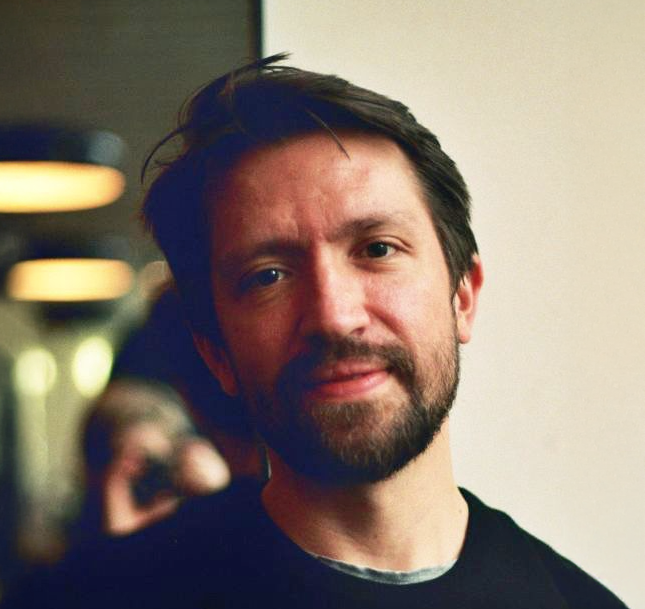
Adrien de Sutter
Cosmological ethnographer
Adrien De Sutter is a transdisciplinary researcher and ethnographer, specializing in studying the practices of fundamental physics. He holds advanced degrees in astrophysics, theoretical physics, and the history, philosophy, and sociology of science. Currently a Visiting Fellow at the Max Planck Institute for the History of Science in Germany, his work explores processes of cosmosmaking in and beyond modern cosmology.
De Sutter is critical of the idea that scientific cosmology provides the only viable description of the cosmos, or that there could ever be a single, final theory of the universe as a whole. Instead, he argues, the universe is a more diverse place than physics could ever hope to describe by itself. Indigenous and other non-Western cosmologies, he argues, must stand alongside scientific cosmology to enable us to be what Ursula Le Guin called “realists of a larger reality.”
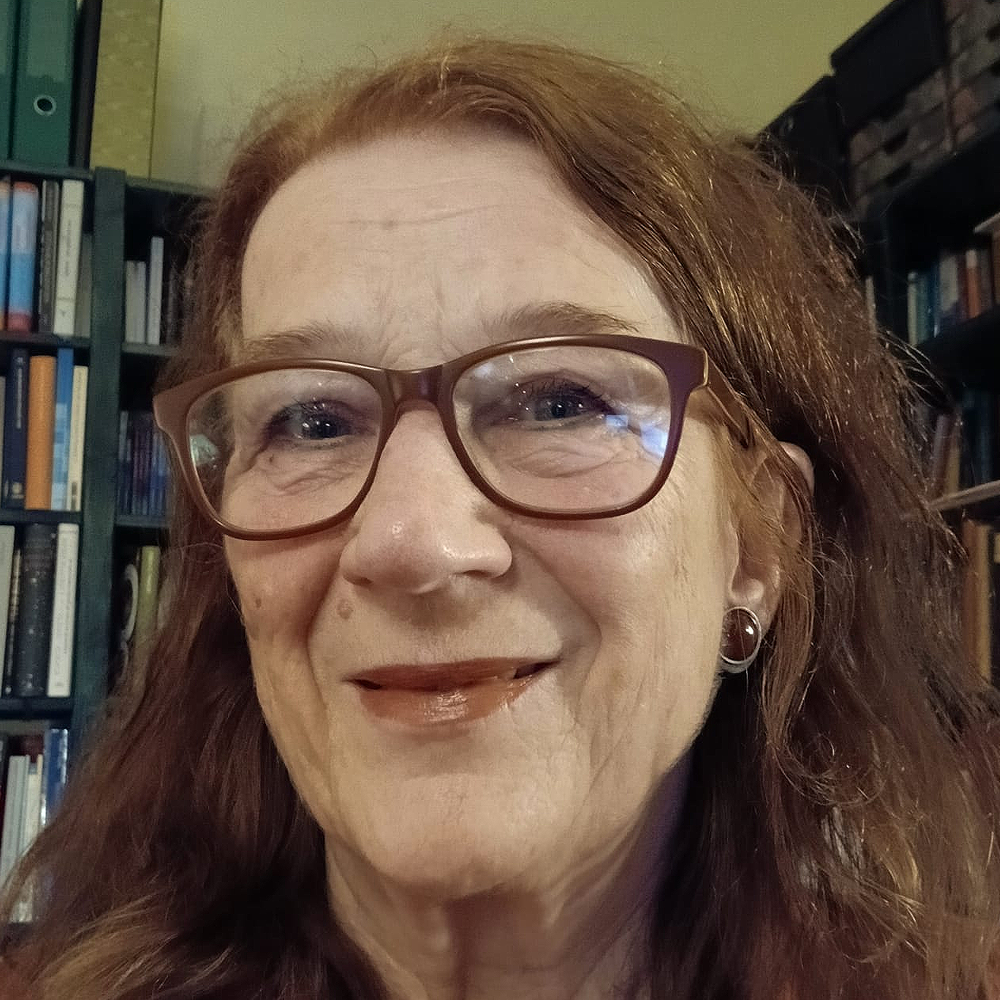
Brigitte Falkenburg
Philosopher of cosmology
Brigitte Falkenburg is Professor Emerita of Theoretical Philosophy at TU Dortmund in Germany, and a philosopher of astroparticle physics, cosmology and technology. Her approach to cosmology is inspired by Kant's Critique of Pure Reason, which warns against the idea that the universe as a whole can be a possible object of knowledge.
Having begun her career as a high energy physicist, Falkenburg's work now focuses on how physicists can come to have evidence for theories about unobservable parts of the universe, and whether different sub-fields of physics can unify their different theories of reality.
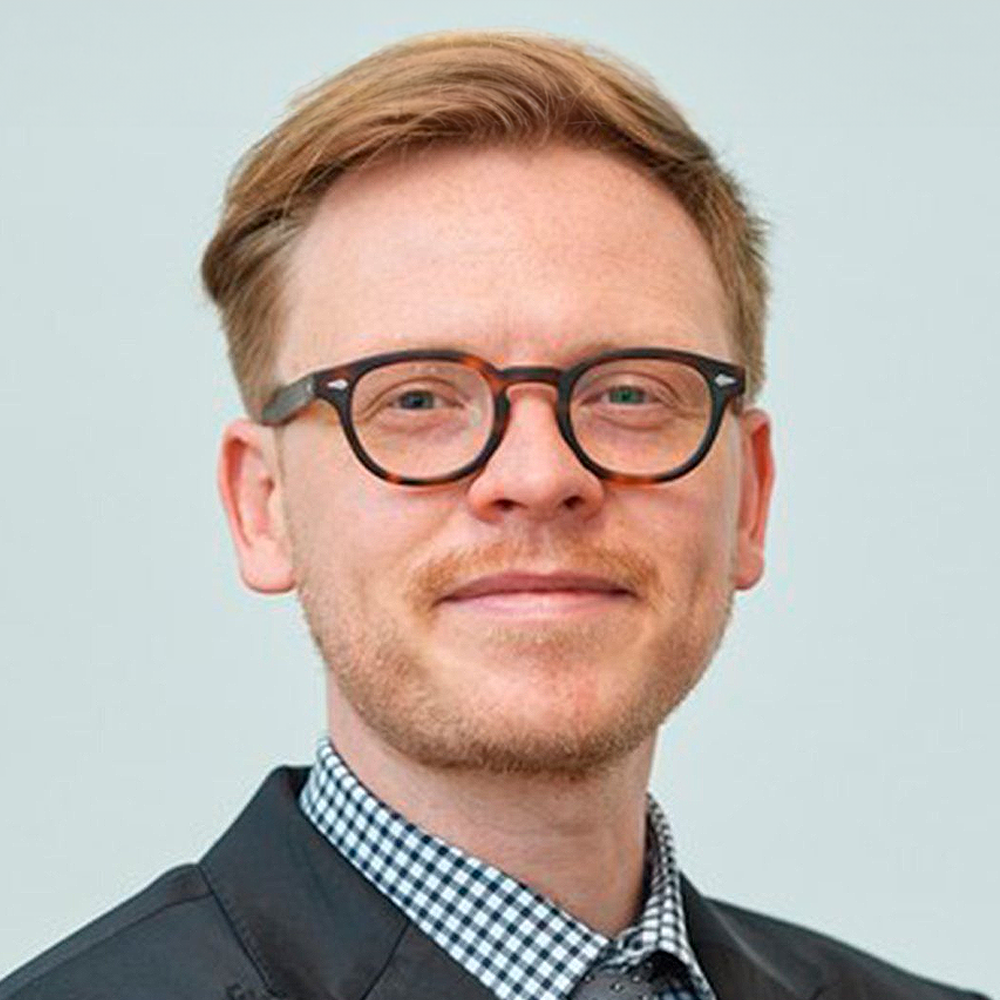
Markus Gabriel
Radical metaphysician
A leading German philosopher, Markus Gabriel pioneers a new kind of philosophy, which rejects materialism and replaces it with an original conception of reality. This is a reality to which we have direct access, but which does not constitute a single, all-encompassing "world." There is, he argues, no such thing as "everything," or the "totality of things," because things only exist within specific fields of sense.
Gabriel is Chair in Epistemology and Modern and Contemporary Philosophy at the University of Bonn, and author of books including Why The World Does Not Exist, Fields of Sense, and Sense, Nonsense, and Subjectivity, translated into more than 15 languages.
Katie Robertson
Host
Katie Robertson is a leading member of a new generation of philosophers of physics. Currently based at the University of Stirling, her work focuses on the philosophy of thermal physics, specifically the relationship between thermodynamics and statistical mechanics, the nature of time, and in what sense thermodynamics is objective. Her
groundbreaking research has been featured in outlets including the BBC and Physics Today.
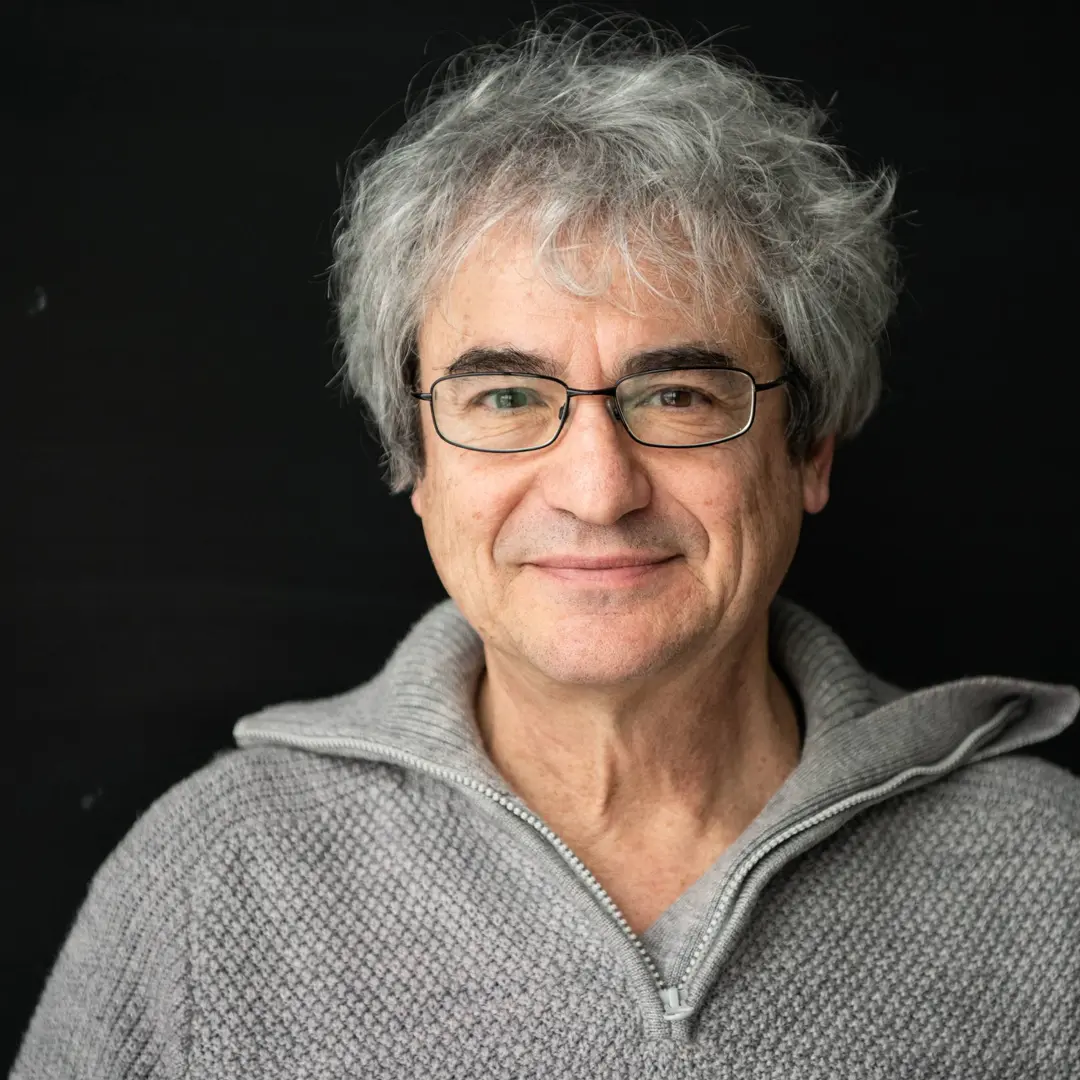
Carlo Rovelli
Loop Quantum Gravity pioneer
Theoretical physicist Carlo Rovelli is a pioneer of theories like Loop Quantum Gravity, White Holes, and the relational interpretation of quantum mechanics. His books include Seven Brief Lessons on Physics, which has been translated into 41 languages and sold over a million copies, as well as the bestselling Reality Is Not What It Seems (2015) and White Holes (2023). He was named one of the 100 most influential thinkers in the world by Foreign Policy magazine, and is Emeritus Professor at the Centre de Physique Théorique of Marseille, as well as holding positions at the Santa Fe Institute and the Perimeter Institute.