

Monday 11th May - 06:00 PM BST
Consciousness, attention, and the age of distraction
Reality in an age of overload
The things we focus on and engage our attention are usually assumed to be worth doing. But from advertising to social media, many argue our attention is being hijacked. So much so that a recent study found two-thirds of the UK public are worried about an emerging attention crisis. Social media has become the latest battleground, with Australia restricting children’s access, with Spain, France, and the UK appearing likely to follow. But what is at stake is not just screen time. Psychological studies suggest that attention shapes what we take to be reality, and focusing on one thing can make us blind to everything else in plain sight. What we pay attention to, therefore, becomes our world.
Should we recognise attention as central to human consciousness and our perception of reality, and therefore regulate and restrict those who try to hijack it? Should we redesign education and culture around attention, and prioritise practices that cultivate it? Or is this just the latest moral panic, no different from past fears about radio and television, with efforts to police attention risking a dystopian future?
Groundbreaking psychologist Roy Baumeister, critic of technocapitalism Douglas Rushkoff, psychiatrist and author of Dopamine Nation Anna Lembke, and sociologist and critic of paranoid parenting Frank Furedi debate attention.
Big ideas in your inbox.
Updates from the world's greatest minds - plus offers and discounts.
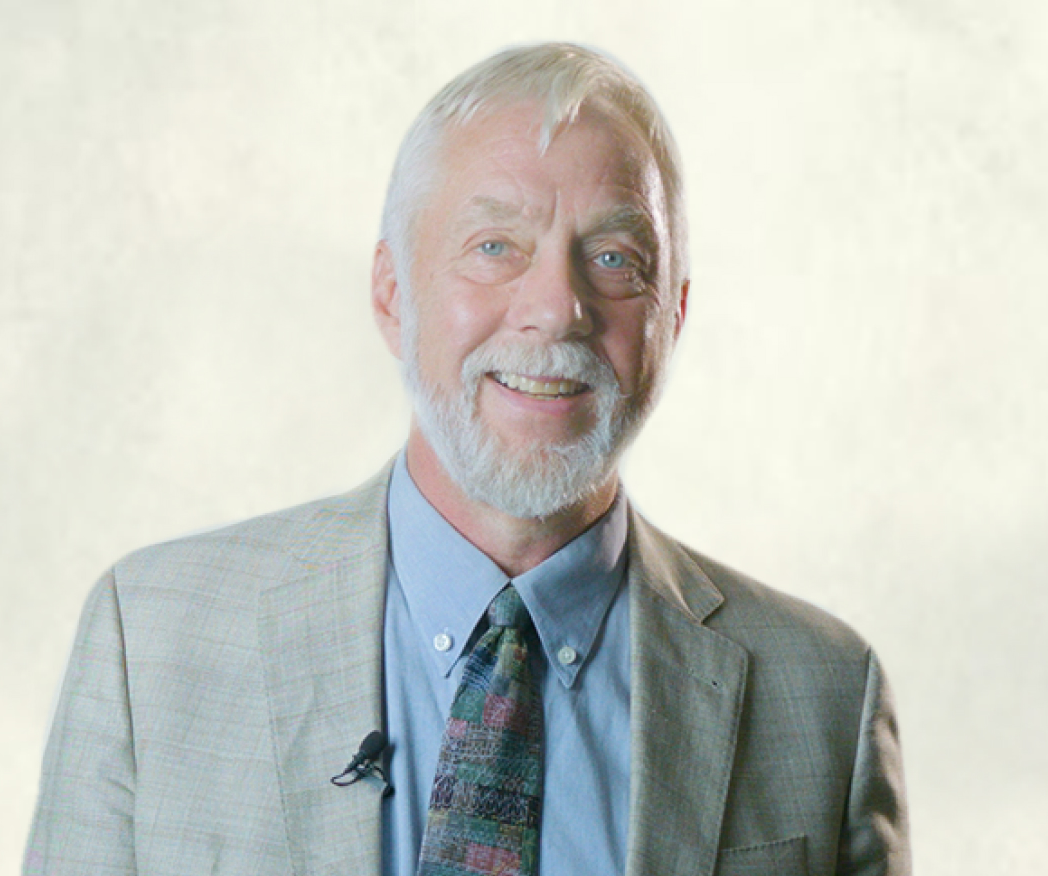
Roy Baumeister
Pioneering theorist of willpower
Roy Baumeister is a social psychologist renowned for his groundbreaking research on the nature of the self and its impact on human behaviour. His extensive contributions encompass the domains of self-control, decision-making, and self-esteem, and how they relate to human morality and success.
Baumeister has published well over 500 scientific articles and more than 30 books, making him one of the most prolific scholars in modern psychology. In 2013, he received the William James Fellow Award — the highest honour bestowed by the Association for Psychological Science — in recognition of a lifetime of significant intellectual contributions to the field. He currently serves as president-elect of the International Positive Psychology Association.
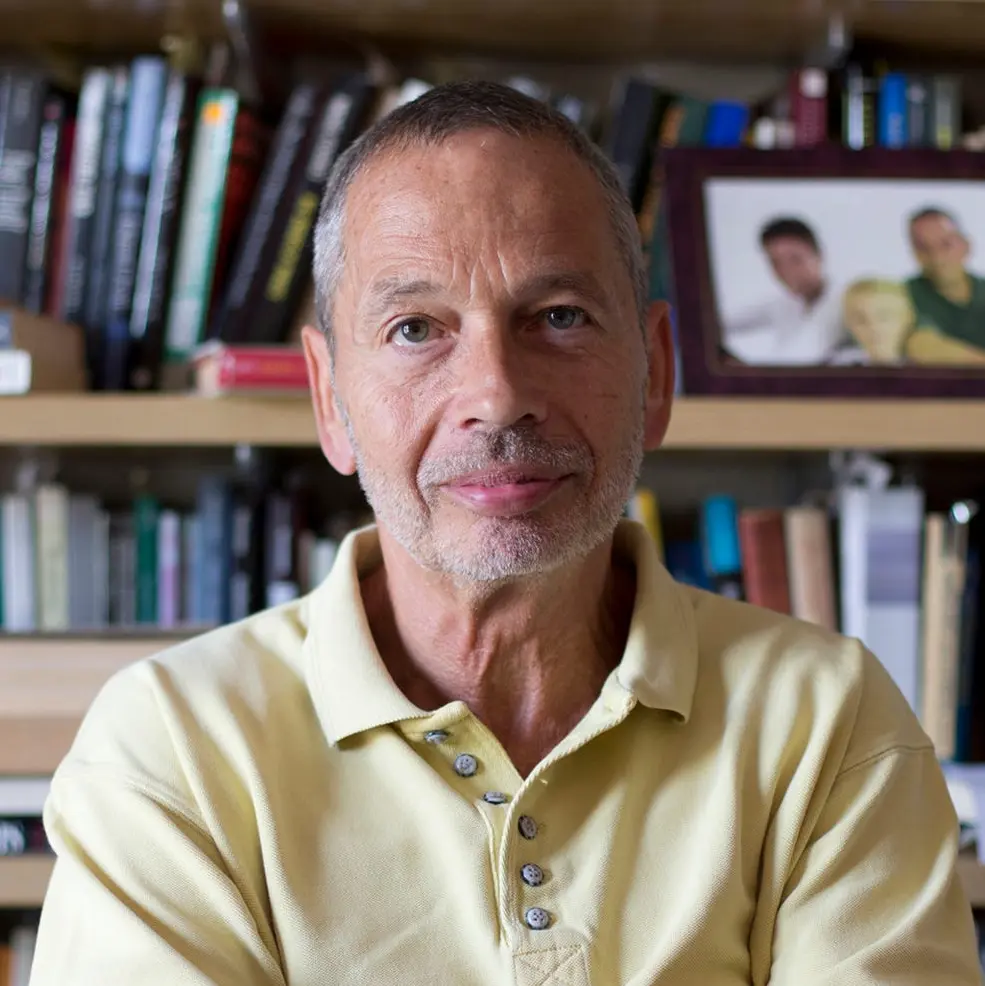
Frank Furedi
Prophetic sociologist
Frank Furedi is an emeritus professor of sociology at the University of Kent and a prolific author of modern political philosophy in the public sphere. His recent books cover the culture wars, democracy, borders and fear as broad topics. The through line of his work is an analysis of how western democracies fail to account for risk and uncertainty in decision-making.
He also regularly comments on radio and television. He has appeared on Newsnight, Sky news and BBC news. he has also been published in the New Scientist, Guardian, Financial Times and Daily Telegraph to name but a few.
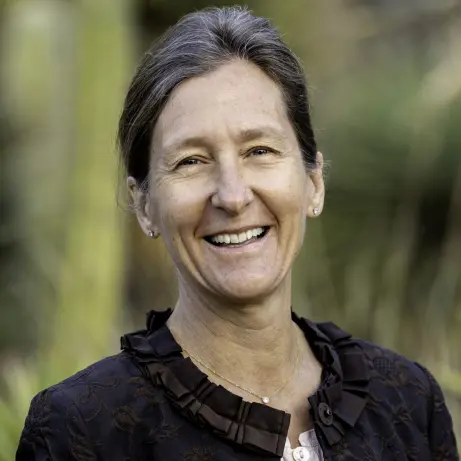
Anna Lembke
Leading psychiatrist and author
Anna Lembke is a groundbreaking psychiatrist and addiction medicine expert. She is Professor and Medical Director of Addiction Medicine at Stanford University. Alongside shaping individual lives in her clinical practice, Lembke has featured on the hit Netflix documentary The Social Dilemma, and has testified before various committees in the United States House of Representatives and Senate.
Lembke gained national recognition with her 2016 book, Drug Dealer, MD, which examined the role of medical professionals in the opioid crisis. Her more recent bestselling book, Dopamine Nation, argues that too much pleasure in the short term causes pain in the long term.
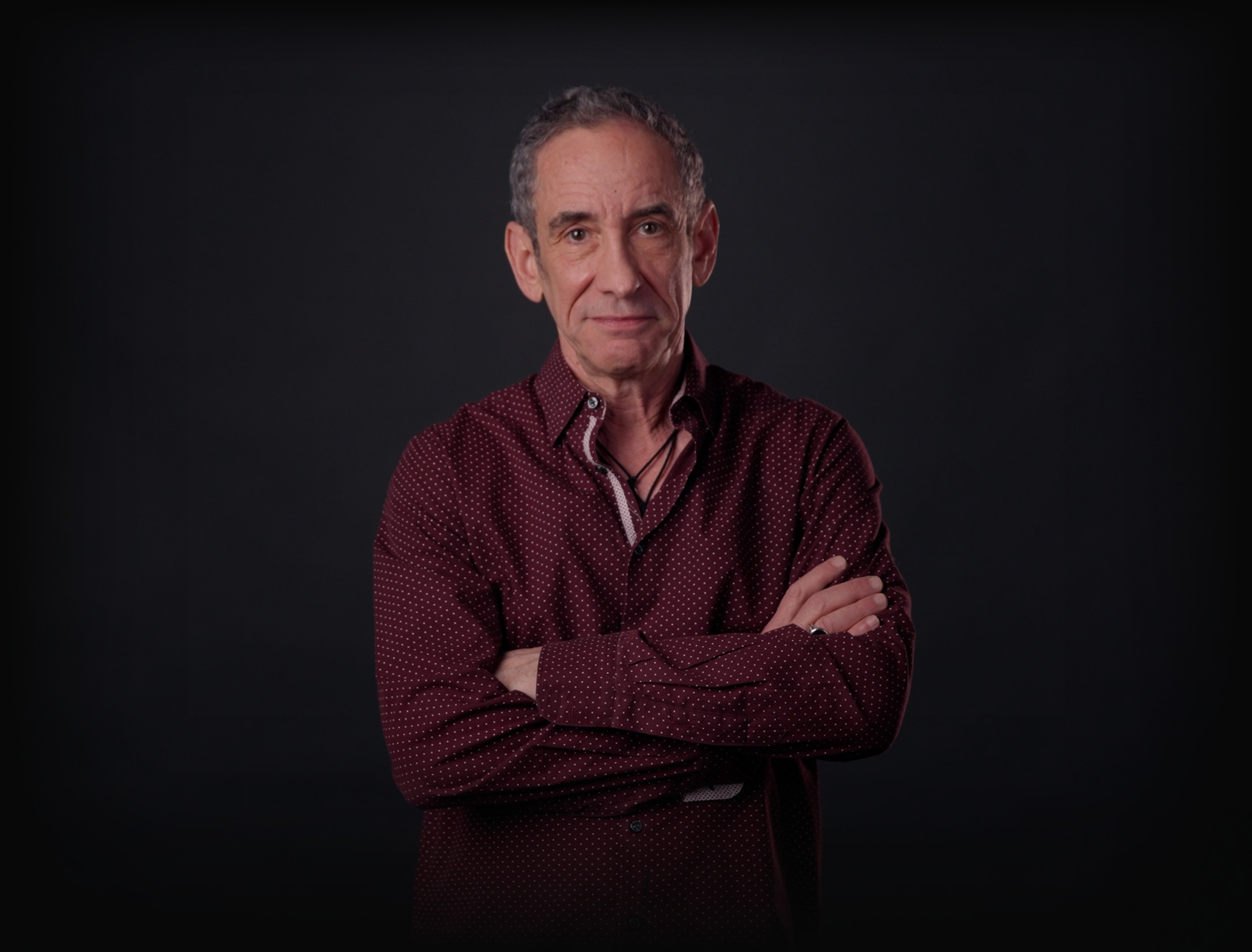
Douglas Rushkoff
Groundbreaking digital theorist
Douglas Rushkoff is a media theorist, author and documentarian whose work has influenced contemporary thinking on technology, culture and human agency in the digital age. He is perhaps best known for shaping influential terms and concepts, including 'going viral', 'digital native' and 'social currency', which have since entered mainstream discourse.
His dozen or more books, including recent bestseller Survival of the Richest, examine how digital technologies and market forces undermine human connection and democratic values. In 2012, Rushkoff was declared the sixth most influential thinker in the world by MIT Technology Review. He is currently Professor of Media Theory and Digital Economics at the City University of New York, Queens College.