Monday 2nd February - 06:00 PM GMT
HEADLINE DEBATE: Science Beyond the Physical
Is materialism holding science back?
For centuries, we’ve assumed that science has banished the transcendent and established that reality is entirely physical. But critics argue there are signs that a rigorous materialism might be holding science back. Increasingly, “emergence” is used to account for everything from consciousness to spacetime – a convenient placeholder for what materialist science may be unable to explain. Physicists like Heisenberg and Hawking concluded that science gives us models of reality, rather than final descriptions of its true nature, while there are scientists working in everything from biology to computer science who suggest that dualism is a productive metaphysical framework for their research. Materialism may have enabled science to reach beyond the dogmas of religion, but there are now those who are restlessly probing the limits of materialism itself.
Does science need to assume a materialist account of the world or might this have fundamental limitations? Could a different metaphysics help science make progress on key questions, from the origin of life to the mysteries of quantum gravity? Or would abandoning materialism risk returning us to the myths of superstition and religion?
To join this debate today at 18:00GMT, please head to the 'Arena' in our online venue. To access the Arena, please click HERE.
Big ideas in your inbox.
Updates from the world's greatest minds - plus offers and discounts.
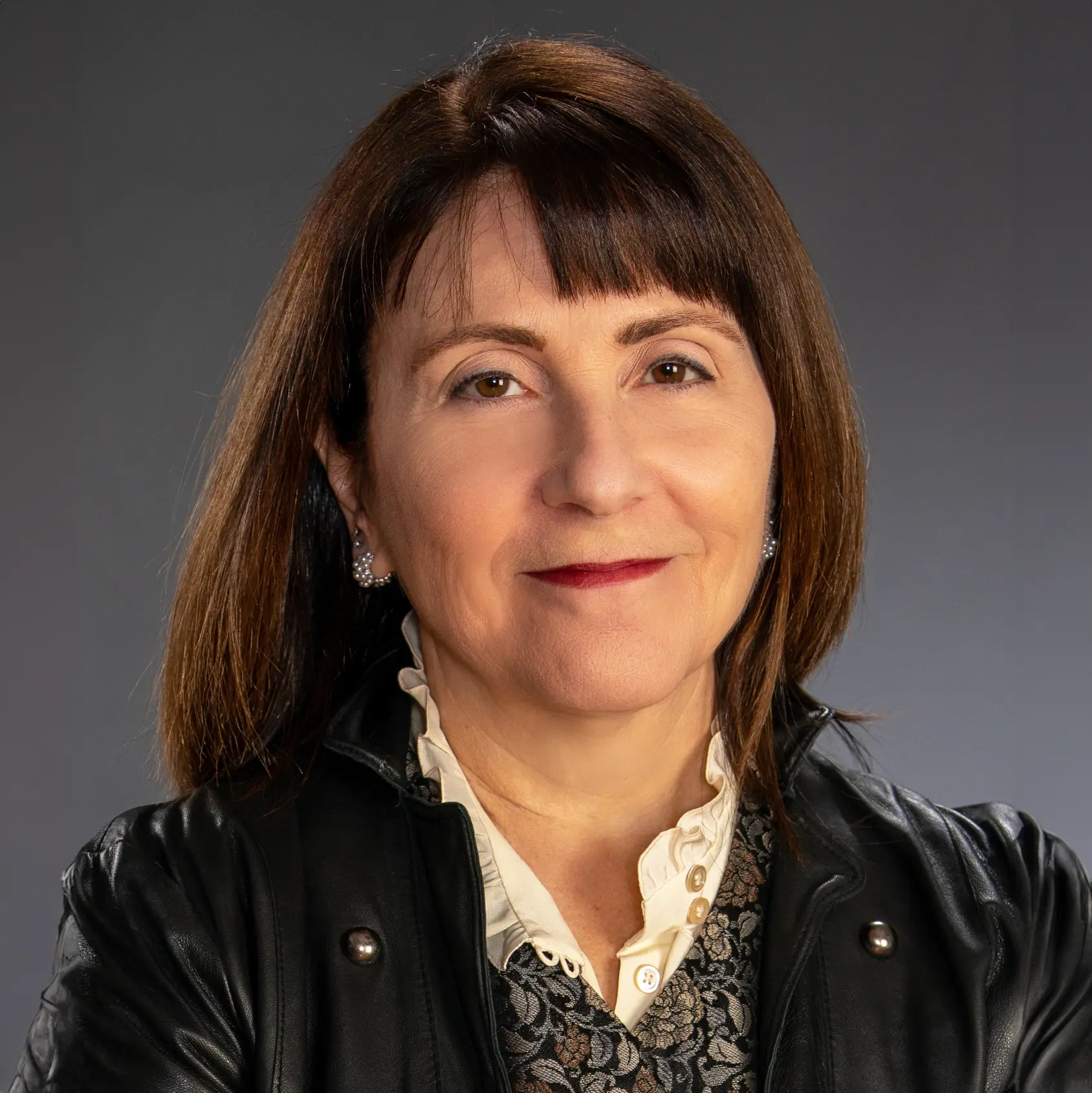
Lisa Feldman Barrett
Leading neuroscientist and psychologist, redefining how emotions are constructed by the brain. University Distinguished Professor at Northeastern and director of the Interdisciplinary Affective Science Lab. Author of How Emotions Are Made and Seven and a Half Lessons About the Brain.
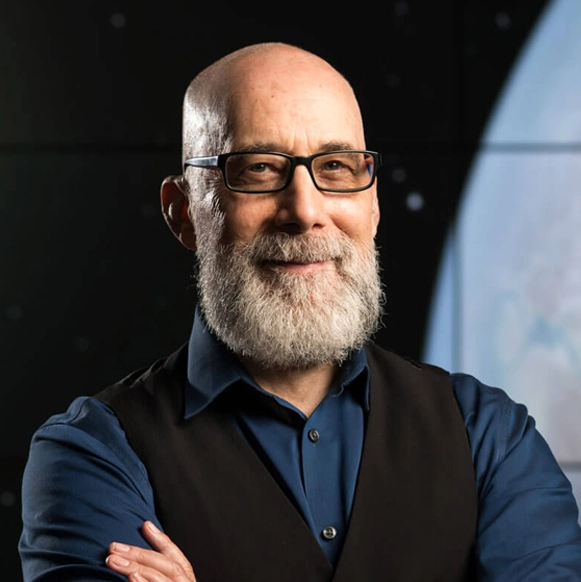
Adam Frank
Astrophysicist, author, and broadcaster exploring the origins of stars, civilizations, and consciousness. Professor at the University of Rochester and co-founder of NPR’s 13.7: Cosmos & Culture. Leading voice in astrobiology and the search for technosignatures.
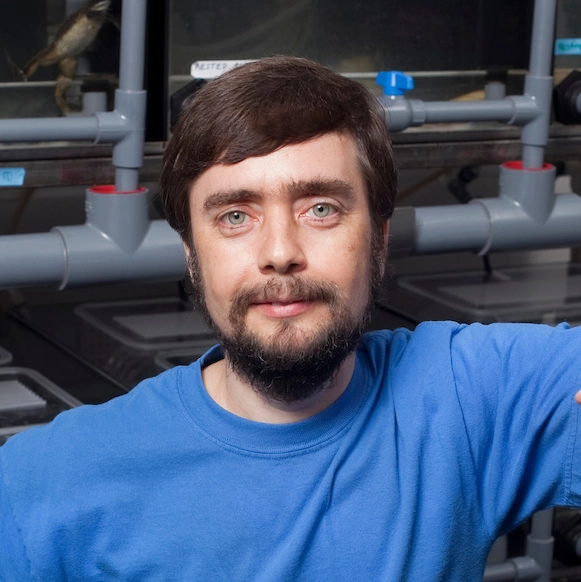
Michael Levin
Michael Levin is a pioneering biologist whose work is reshaping our understanding of life, intelligence, and the very fabric of biological form. As Professor of Biology and Director of the Allen Discovery Center at Tufts University, Levin investigates how cells communicate and cooperate through bioelectrical signals to build and repair complex bodies.
His research on regeneration, morphogenesis, and synthetic living systems, including the creation of programmable “biobots”, blurs the boundaries between biology, computation, and cognition. In exploring how intelligence might emerge from collective cellular decision-making, Levin invites us to reconsider what it means to be alive, to have a mind, and to act creatively in the world.
Levin’s early work on left-right asymmetry of embryonic bodies was chosen by the journal Nature as a “Milestone in Developmental Biology in the last century.