


The Metaphysics of Naturalism


About the Course
The first course introduces the idea of an expansive naturalism which could accommodate God. The position has something in common with Iris Murdoch’s ‘true naturalism’ but it is more radical than this and both positions are contentious by the lights of much contemporary philosophy. Ellis offers some reasons for taking the position seriously and, in the second course, considers some implications for how we might approach the question of life’s meaning. She tackles this question through the concept of desire and argues that an expansive naturalist approach can break some familiar deadlocks.
By the end of the course, you will have learned:
- What “expansive naturalism” is and how it differs from traditional naturalism.
- The relationship between Iris Murdoch’s “true naturalism” and Ellis’ more radical stance.
- Why expansive naturalism offers a serious alternative in contemporary philosophy.
- How the concept of desire shapes our understanding of life’s meaning.
- Ways an expansive naturalist approach can overcome familiar philosophical deadlocks about God, value, and meaning.
As part of the course there are in-video quiz questions to consolidate your learning, suggested further readings to stimulate a deeper exploration of the topic.
IAI Academy courses are designed to be challenging but accessible to the interested student. No specialist knowledge is required.
Course Syllabus
About the Instructor
Fiona Ellis
Professor of Philosophy and director of the Centre for Practical Philosophy. Theology and Religion. She is President of the British Society for Philosophy of Religion.
Suggested Further Readings
- Ellis, F., God, Value, and Nature, (Oxford: Oxford University Press, 2014).
- Murdoch, I., Metaphysics as a Guide to Morals, (London: Penguin, 1993).
- Ellis, F., New Models of Religious Understanding, (Oxford: Oxford University Press, 2018).
- Taylor, C., Sources of the Self: The Making of the Modern Identity, (Cambridge, MA: Harvard University Press, 1989).
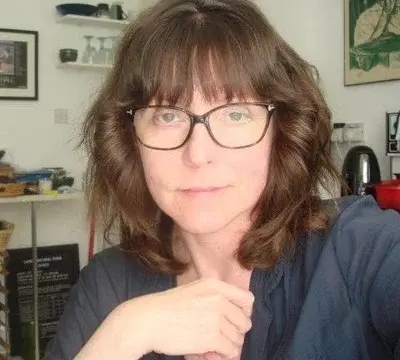
Meet your instructor
Professor of Philosophy and director of the Centre for Practical Philosophy. Theology and Religion. She is President of the British Society for Philosophy of Religion.
