Monday 3rd August - 06:00 PM BST
Headline Debate: The Metamodernist Turn
Truth and meaning after postmodernism
Realism promised an objective view of the world. While postmodernism taught us to distrust objective truth and all grand narratives. Today however, there is a growing sense that neither realism nor postmodernism are viable accounts of the world. The skepticism and deconstruction of postmodernity undermines everything including itself, while the certainty of traditional realism feels increasingly implausible in a world awash with incompatible perspectives. Into this gap a new outlook has emerged: metamodernism. Its proponents claim to combine irony and sincerity, truth and commitment. Metamodernists act as if truth matters while acknowledging we rely on models rather than absolutes, perhaps echoing Stephen Hawking's adoption later in his life of 'model-dependent realism'.
Should we embrace metamodernism as a way out of the paralysing scepticism of postmodernity and the naivety of traditional realism? Does it provide an explanation for truth, knowledge and science? Or is it an illusory house of cards that risks the chaos of unconstrained relativism?
Renowned critic of realism Hilary Lawson, pioneering metamodernist Jason Ānanda Josephson Storm, distinguished theorist of knowledge Linda Martín Alcoff and Güneş Taylor hosts a debate on the future of truth, meaning and science.
Big ideas in your inbox.
Updates from the world's greatest minds - plus offers and discounts.
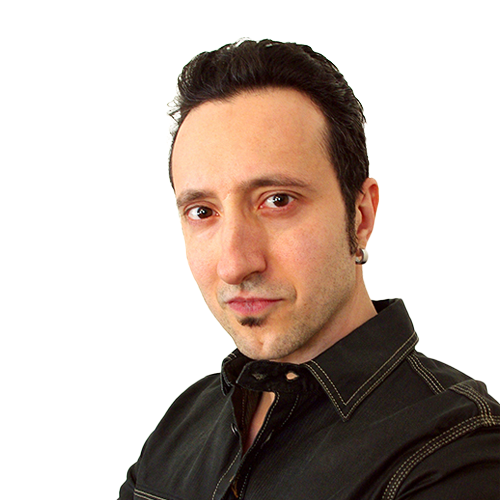
Jason Ānanda Josephson Storm
Boundary-breaking metamodernist
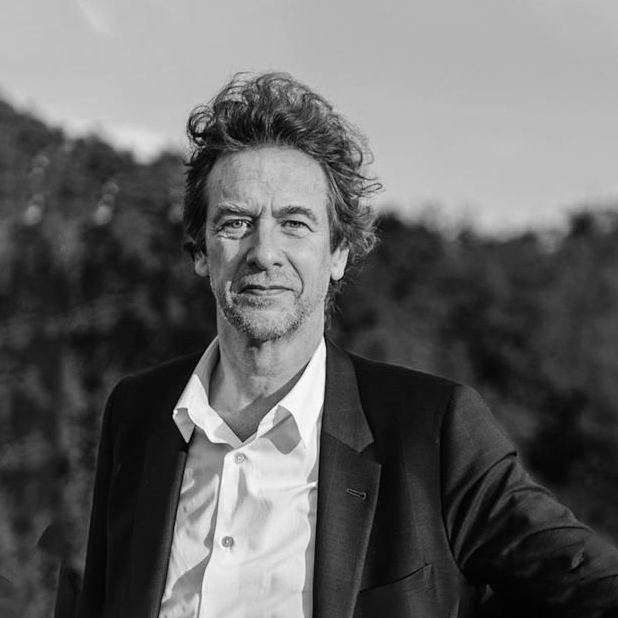
Hilary Lawson
Post-postmodern Philosopher
Hilary Lawson is a philosopher, renowned critic of philosophical realism, and editorial director of the Institute of Art and Ideas. His central work, Closure: A Story of Everything, has been described as providing “the first non-realist metaphysics.” Lawson is a rare example of a philosopher who goes beyond postmodern critiques of truth, to give a new positive account of how language works.
Abandoning the traditional idea that language refers to external reality, Lawson’s pioneering metaphysics outlines how perception, language and thought operate by “closing” the openness of the world. The theory has dramatic consequences for how we understand ourselves and our reality. It points towards a new way to do science, philosophy, and politics without clinging onto the illusion of objective truth.
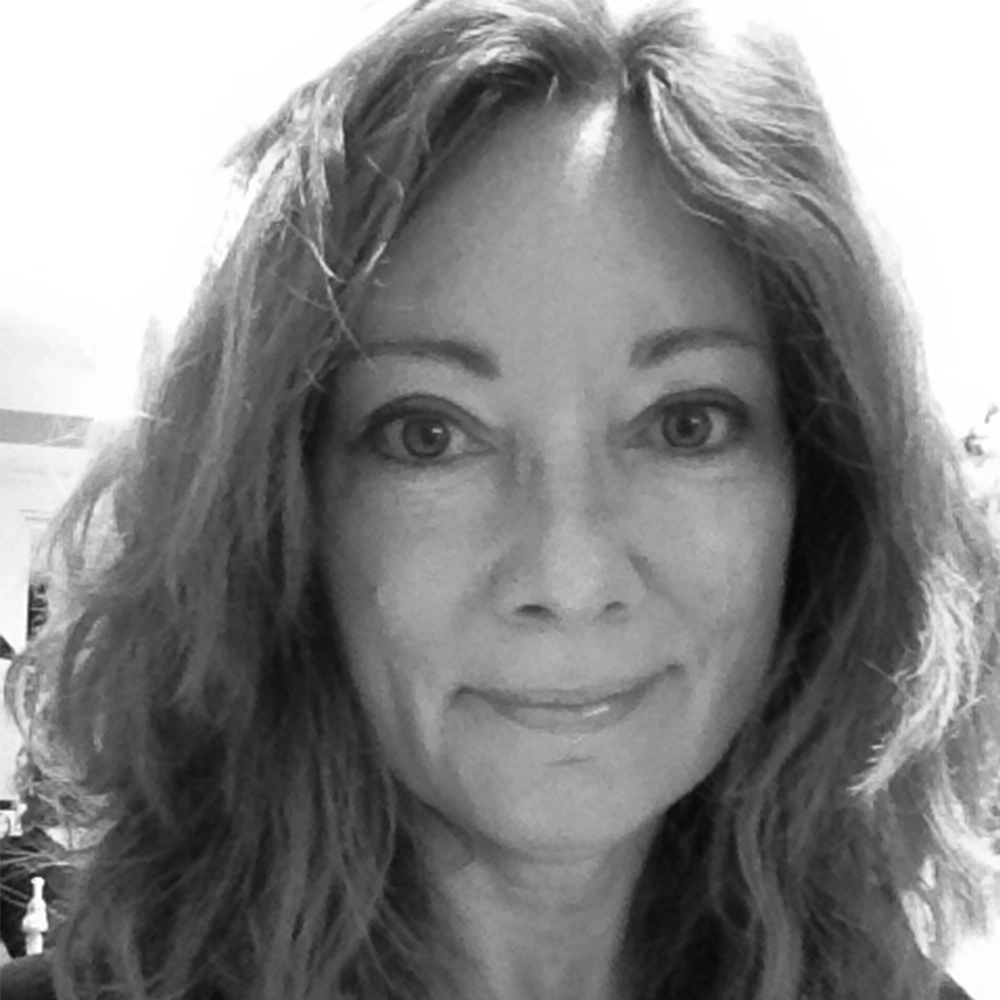
Linda Martín Alcoff
Renowned theorist of knowledge
Linda Martín Alcoff is a philosopher and critic of the Enlightenment idea that science and other forms of knowledge-gathering can be done from a neutral perspective. She argues that our politics, identities and bodies shape what we can know and whether the world even recognizes us as knowers. In 2021 she was ranked as the third-most influential philosopher in the world by Academic Influence, and in 2024 was inducted into the American Academy of Arts and Sciences. Her book Visible Identities: Race, Gender and the Self won the Frantz Fanon Award and reframed how we think about identity.
Alcoff is Professor of Philosophy at Hunter College and the Graduate Center, City University of New York, former President of the American Philosophical Association, and Co-Director of the Society for Phenomenology and Existential Philosophy.

Güneş Taylor
Cutting-Edge Biologist
Gunes Taylor is a training fellow at the Francis Crick Institute, the London-based biomedical research centre. Her research predominantly focuses on the the genetic formation of ovaries and testes. Gunes has debated the implications of genome editing in forums such as Fertility Fest, the Festival of Genomics, and Virtual Futures, and is fascinated by our cultural and ideological responses to our genetic makeup.
As a molecular biologist she uses many cutting-edge technologies to understand how reproductive systems are built. Güneş is a highly experienced public speaker, who has interviewed Richard Dawkins, Yuval Harari, Slavoj Zizek, Robert Plomin, Simon Baron-Cohen and Lord Robert Winston.