


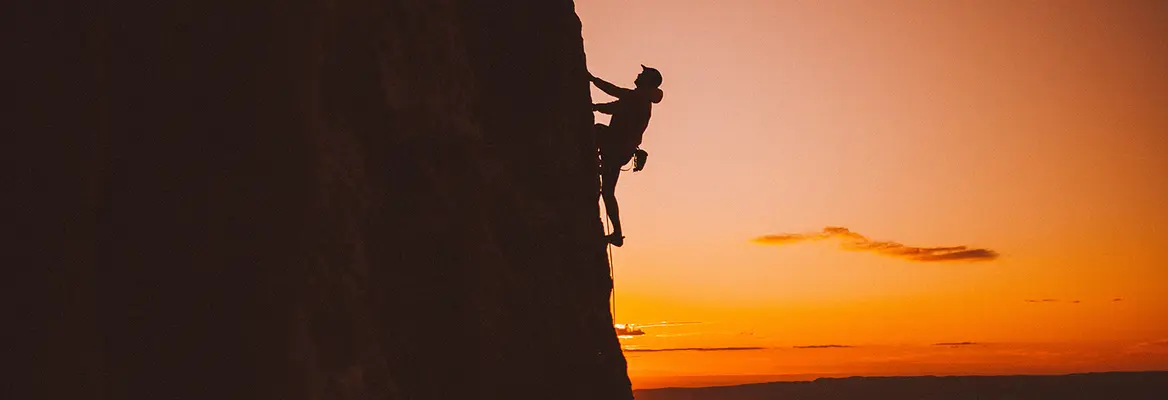
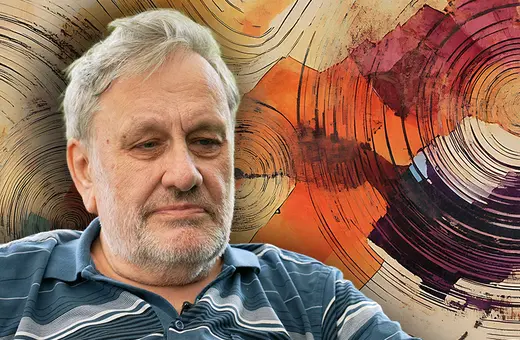
Probability alone can’t tell us how risky something is. When Alex Honnold free solo climbed El Capitan with no safety equipment, that was incredibly risky, despite Honnold’s superlative skill and experience which made it highly unlikely he’d fall. When Harry Kane takes a penalty for England there’s a serious risk that he will miss, but that’s despite his expertise in penalty shoot-outs and the high probability he will score. Philosopher Duncan Pritchard, author of the recent book Tempting Fate, argues that we should instead measure risk in terms of fragility – how easily a catastrophe could occur. Probability is still an important factor in what he terms the depth of the risk, but this can be minimized. We have to learn to make high risk decisions in our lives, as a life of caution is often one of regret. What we can learn to minimize is the depth of the risks we take, by lowering the probability of catastrophe.
My mother, who passed away recently, had a lot of sayings, one of which was that “you should never tempt fate.” What she meant by this could be summed up by one of her other sayings: “hubris begets nemesis.” If you are arrogant and overly confident in your plans, then rest assured that this will be noticed by the Gods and you will incur their wrath. That all seems right to me.
There is, however, another meaning of tempting fate that is especially relevant to taking risks. When it comes to risk-taking, you can’t be assured that everything will work out. Things can go pear-shaped. That’s the sense in which taking risks can involve tempting fate, as one is opening oneself up to¾inviting, you might say¾catastrophe. And yet it can’t be the case that we should never take risks, as it is difficult to flourish if one is always taking the cautious path. How then do we tempt fate without hubris, without inviting catastrophe?
If you look to the standard theory of risk for an answer to this question, then I think you will be disappointed. When we assess for the level of risk, we have in mind a specific unwanted risk event that we hope to avoid. According to the probability theory of risk, the level of risk is determined by how likely the risk event is. If this probability is high, then the risk is high, while if the probability is low, then the risk is low.
For lots of cases, this proposal generates the right result, which explains why it’s so widely held. Juggling dynamite is high risk because the probability of the risk event of blowing yourself to pieces is very high. Do this 100 times and in most, if not all, of these scenarios you are no more. In contrast, juggling apples is low risk because the probability that this will get you blown up is negligible. Do it as many times as you like, and you’ll be fine. The problem is that this cannot be the full story about risk.

Want to continue reading?
Get unlimited access to insights from the world's leading thinkers.
Browse our subscription plans and subscribe to read more.
Already a subscriber? Log in
Love the iai?
Sign up to get exclusive access.







12th October 2026


Join the conversation