


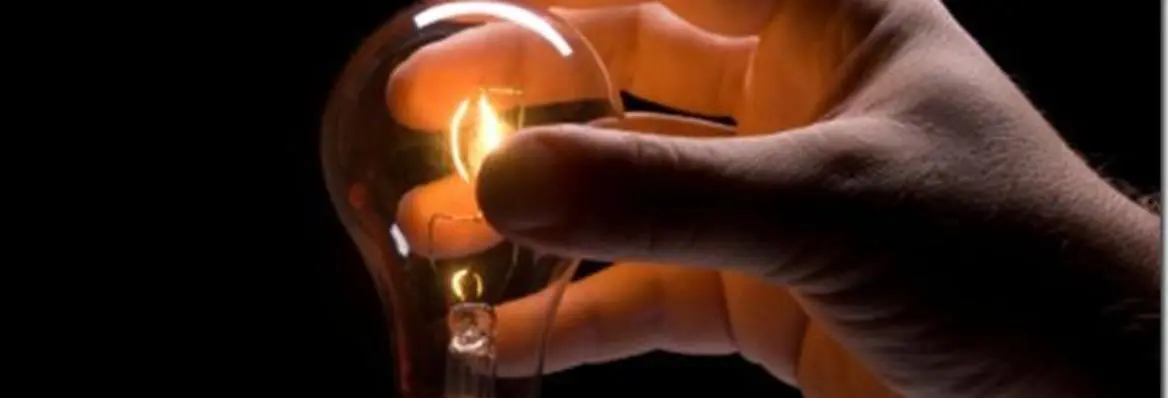

Scientific advance is a roll call of eureka moments. Can they be planned? Does the institutional character of big science research militate against these critical imaginative leaps? Should we encourage the outsider, and break the system of peer review in an attempt to create more eureka moments, or does good science require a strong establishment?
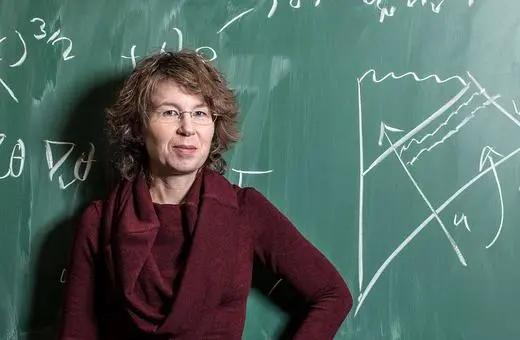
Independent scientist Rupert Sheldrake, theoretical physicist David Berman and Oxford philosopher James Wilk question the role of freedom in science.
Click the image to watch the video!

3rd December 2013

Join the conversation
orbor neee 6 October 2023
Surely you are familiar with the character <a href="super-mario.io">Super Mario</a> . Are you confident in helping him overcome deadly obstacles to rescue the princess?
orbor neee 6 October 2023
Surely you are familiar with the character [Super Mario](super-mario.io) . Are you confident in helping him overcome deadly obstacles to rescue the princess?
orbor neee 6 October 2023
Surely you are familiar with the character Super Mario . Are you confident in helping him overcome deadly obstacles to rescue the princess?
Saint Otis 21 July 2023
asd sa dsa
Myrtlers Piercenes 20 June 2022
This blog has very week new topics contest and see people participating
Noe Hackett 6 April 2022
Thanks for sharing this article.
Dawson Chad 10 August 2021
The Eureka Moment is a term that was coined in the 18th century by scientist, philosopher, and historian of science, John Draper. The https://www.we-heart.com/2021/05/26/why-do-students-hire-professional-essay-writing-services/ phrase refers to the point at which an idea or solution “suddenly” occurs to someone. Students are often asked what their eureka moment has been; perhaps it's when they finally get the hang of something they've been struggling with for weeks!