


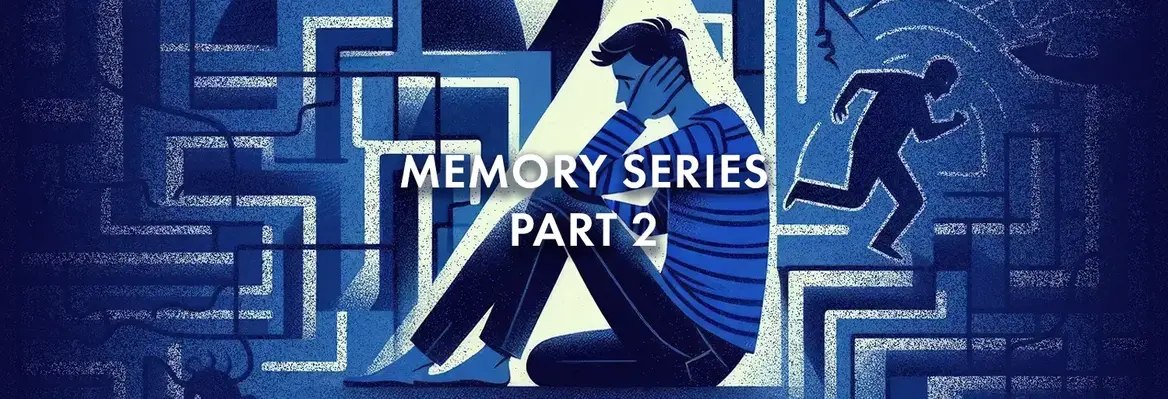

Continuing the IAI’s current series on memory, ethicist and medical doctor Dominic Wilkinson critiques a fashionable new medical treatment, “memory reconsolidation,” which combines drugs with therapy to numb the emotional threads in painful memories. Since memory and emotion are fundamentally intertwined, Professor Wilkinson warns that this treatment could also edit the memories themselves, radically reshaping our identity. We must, he argues, place limits on the medicalization of our attempts to come to terms with emotional trauma.
In my work as a specialist in newborn intensive care, I sometimes care for couples who have experienced one of the most distressing of life events—the loss of their loved newborn infant. The pain that they describe to me is all-consuming. Faced with such intense suffering, I often wish that I had something, anything, to assuage their loss. If only I had a treatment that would relieve the burden of their grief…
All of us carry happy and less happy memories. The mix of positive and negative recollections is a natural part of human existence. But for some, their memory is dominated by deeply traumatic events that have prolonged damaging effects on their ongoing lives, for example, in the form of post-traumatic stress disorder (PTSD). Others are haunted by experiences of infidelity and relationship break-up, or agonized by pain arising from loss and bereavement.
There have long been forms of talking therapy offered for painful memories. In the twentieth century, pharmacotherapy has been used for some of the symptoms arising from these (for example depression, sleeplessness and anxiety). But more recently still, there have been attempts to directly target the source. It appears that our memory may be malleable. So-called “memory reconsolidation” therapy involves the use of drugs like the medicine propranolol (long used for high blood pressure and migraine) to remove the emotional pain associated with traumatic memory. Patients with PTSD take the medicine one hour before a session that involves deliberately recalling their episode of trauma. In some studies, this appears to be effective in reducing symptoms of post-traumatic stress. Recent papers suggest that the same treatment can be effective for adjustment disorder (excessive emotional or behavioural response) after romantic betrayal. One of the treated patients described the pain of her husband’s infidelity as akin to a monster clawing out her heart. This pain persisted more than a year after she discovered his betrayal. But after three sessions of the therapy, that pain had faded into the background and she was able to get on with her life.
___
It appears that our memory may be malleable.
___
One important question is whether memory reconsolidation therapy works (the evidence is somewhat mixed). But here I will focus on a different question. If it were successful, would it be desirable to attempt to help people by numbing or even removing their memories of painful experience? Memory reconsolidation doesn’t actually erase memory, but the science of memory editing is developing rapidly, and this might be possible in the future. The 2004 film Eternal Sunshine of the Spotless Mind famously dramatized this question. In the film, the main characters submit to a therapy that allows them to deliberately forget each other after a painful break-up. How should we think about the fictional treatment offered by the company Lacuna in Eternal Sunshine or the real memory reconsolidation treatment? Here are some reasons to be cautious.
Medicalizing
Want to continue reading?
Get unlimited access to insights from the world's leading thinkers.
Browse our subscription plans and subscribe to read more.
Already a subscriber? Log in
Love the iai?
Sign up to get exclusive access.

Related Posts:

Related Videos:


28th November 2025

Join the conversation
Themis Matsoukas 30 November 2025
What if there were a pill that made us moral? Should we take it? Would we take it?
Brian Balke 28 November 2025
Pain is simply a signal from the world that something must change.
The psychological experience of minor pain is suggestive. A paper cut hurts like hell until we put a band aid on it. The subconscious mind, concluding that the signal has received a meaningful response, then filters it from the perceptions forwarded to the conscious mind. It's not that the nerves in the fingers aren't still sending pain signals - we just aren't conscious of them.
Unless, of course, we obsess over the cut. Then the subconscious amplifies the signal. "This is important to the waking mind." The signal does not just amplify but becomes differentiated in locus and nature.
With unresolved emotional trauma, the "band aid" is tension in the body. This translates, as discovered by Dr. Sarno, into physical pain as muscles harden, asphyxiate, and ossify.
Where all this leads, in the context of this essay, is that pain is best addressed by replacement of ineffective behaviors with effective alternatives. Removing psychological pain, Buddha would have counseled, denies us the motivation to construct a more effective personality.