


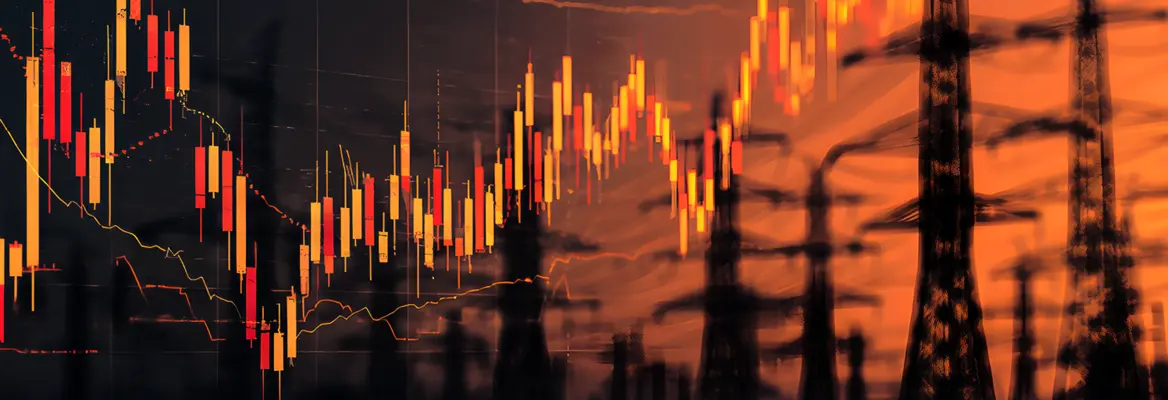
In December 2022, Germany watched wind and solar energy grind to a near-halt for weeks, at a cost equivalent to building an entire nuclear power plant. Engineering Professor Jan Emblemsvåg goes head-to-head with M.V. Ramana in the IAI today, arguing that Germany's example refutes Ramana’s recent claim that a move to nuclear energy would not solve climate change. The anti-nuclear case rests on an accounting trick: comparing an energy source that works around the clock with ones that only work when the wind blows and the sun shines. If you take this into account, the numbers tell a very different story, one where nuclear energy is the only way to solve our climate crisis.
Professor M.V. Ramana claims in these pages that the hype behind nuclear energy doesn’t match the reality and that nuclear energy will not solve climate change. He argued that the actual trends in the energy sector speak against nuclear energy. Professor Ramana attributes these trends to the superior economic performance of variable renewables compared to nuclear energy. But his entire economic argument is based on comparing apples with oranges.
Comparing intermittent and variable energy sources directly with nuclear energy without compensating for performance differences is tantamount to comparing an internet service that is available only in good weather to one that is operational 24/7. Financial advisory and asset management firm Lazard has received a lot of criticism for its “apples-to-oranges” comparisons because important life-cycle costing principles such as reliability, availability and maintainability (RAM), used in correct cost calculations, are ignored. Indeed, most reputed organizations fail to produce correct cost estimates because they ignore these RAM principles.
The German energy transition, dubbed Energiewende in German, is an excellent example. Regardless of how you look at it, three different cost calculation approaches show that Germany would have ended up with significant savings—and cuts in greenhouse gas emissions— if they had used nuclear energy rather than investing in variable renewables (solar photovoltaics and wind power), which their Energiewende is currently based on.
___
The simple fact is that you cannot establish advanced or energy-intensive industries with variable renewables.
___
Professor Ramana might be right if we were only looking backwards, but believing that the future is merely an extension of the past is too simplistic. Henry Ford is credited with saying that “If I had asked people what they wanted, they would have said faster horses.” While it’s unlikely that he ever actually said that, the point is that innovations are not merely extensions of the past. Innovations are outliers, as Hayek said. Hence, they are found at the fringes of the possible solutions that exist at a given moment in time. In other words, most solutions will cement the status quo rather than change it. Once these fringes are accepted, change is initiated, and what was once a novelty becomes mainstream.
Want to continue reading?
Get unlimited access to insights from the world's leading thinkers.
Browse our subscription plans and subscribe to read more.
Already a subscriber? Log in
Love the iai?
Sign up to get exclusive access.

Related Posts:




Related Videos:



8th May 2026


Join the conversation