


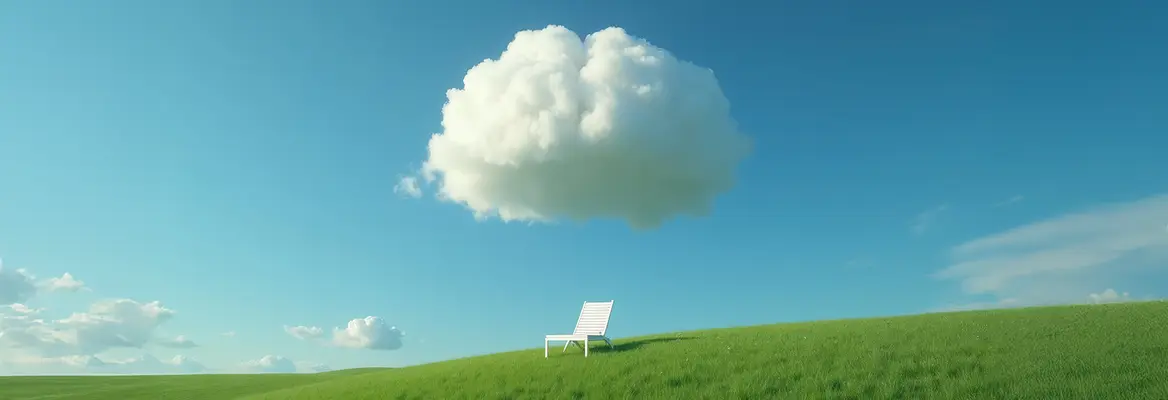

With 22 competing theories and no consensus in sight, the science of consciousness is lost. In this exclusive IAI interview, Berkeley psychedelics researcher and bestselling author of a new book on consciousness Michael Pollan insists that even though consciousness lies beyond traditional forms of scientific investigation, we should resist becoming dualists who see it as something radically different from ordinary stuff in the world. Instead, he makes the case for reimagining science itself: it must stop reaching for objective descriptions of physical reality, and instead embrace subjectivity as the indispensable core of all inquiry.
Alasdair Craig: How did your experiences with psychedelics get you interested in consciousness?
Michael Pollan: One of the things that happens on psychedelics is that they foreground consciousness. What formerly seemed perfectly transparent and ever present—and yet, non-existent, as water is to fish—suddenly you see it. The metaphor I use in the book is that psychedelics sponge the windscreen. Suddenly you realize: wow, there’s a windscreen, there is this phenomenon that’s mediating my relationship to reality. This is not an unusual realization on psychedelics. I think a lot of people are called to think about consciousness after psychedelic experiences. So that was the proximate inspiration for A World Appears: A Journey Into Consciousness (2026).
And then there was a more specific way in which psychedelics influence the book. That was a particular experience I had on psilocybin. I had the sensation that the plants in my garden were conscious and returning my gaze, with their own point of view and agency, and I got curious as to how to evaluate an insight like that. I mean, what’s the truth quotient of insights you have on psychedelics? And I was reading William James—who, of course, wrote beautifully about mystical experience—and he said, we can’t judge the metaphysics here, but we should pay attention to two criteria: (1) How useful is it to think this is true? He was a pragmatist, of course. And (2) can we subject it to other ways of knowing to validate it? Because maybe we should treat these insights as hypotheses. And that’s kind of how I approach psychedelics, as a great generator of hypotheses, but they need to be tested against other ways of knowing. And so that led me down this long path exploring the science of plant intelligence and plant sentience.
AC: I love your phrase, “smudging the windowpane of conscious experience.” So do you now start to think, actually, even when I’m not on psychedelics, I’m just seeing a screen all the time, which is not reality, but rather is my conscious experience, behind which reality is hidden?
MP: Well, you know, not when I’m brushing my teeth and making breakfast! But yes, in meditation, certainly. I mean, one of the things you realize is that my experience happens to be this way now, but it could be another way. And many things can affect it. My morning coffee changes the screen in various ways, sharpens certain things.
Want to continue reading?
Get unlimited access to insights from the world's leading thinkers.
Browse our subscription plans and subscribe to read more.
Already a subscriber? Log in
Love the iai?
Sign up to get exclusive access.

Related Posts:

Related Videos:


Alasdair Craig
3rd June 2026


Join the conversation