


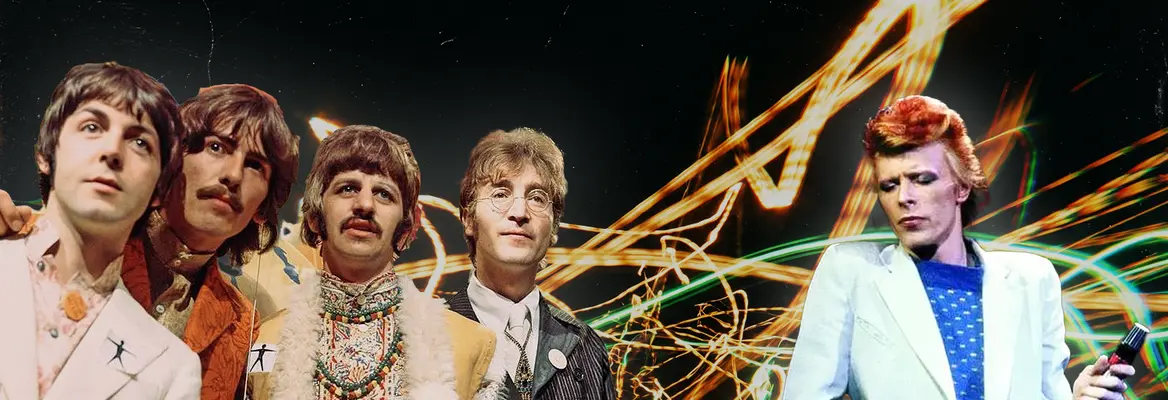

We think of creative genius as something a rare few just have, but digital theorist Tony D. Sampson argues this is a myth. Using Gabriel Tarde's theory of social contagion and Harold Bloom's 'anxiety of influence,' he shows that even the best-known creative geniuses — from Homer and Brahms to the Beatles and Bowie — weren't the source of their own originality. Instead, they were skilled borrowers, copying and reworking what came before them, and who gets recognised for it depends less on raw talent than on privilege and access. Genius isn't a possession, it's a contagion.
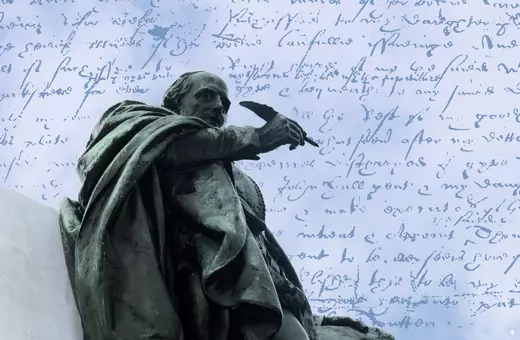
Given the recent buzz around the genius author behind the Odyssey, it’s worth recalling Christopher Hitchens’ doubt that Homer was actually a single living individual. Hitchens’ proposition unsettles a deeply entrenched cultural belief. Our encounters with historical figures are often frozen in time, like marble statues or bronze busts atop pedestals in the formal hush of museums and galleries. These institutions train us to see greatness solely in discrete human form, providing a false impression that only certain individuals possess innate, extraordinary qualities that transcend ordinary mortals. The very essence of their genius; the undeniable source from which all that is original and culturally valuable spreads through society. Creativity established through engagement with others, implicated in privileged social networks or the dynamics of public reception, takes a backseat to something of substance that is always already there.
While clearly not denying the existence of individual geniuses, through a sustained figural reframing, I will contend that genius itself is not a self-contained wellspring of essence. Similar to Gilbert Simondon’s theory of psychic and collective individuation, the philosophic question here pivots from a question concerning what this individual is understood in terms of substance and essence, to an enquiry about states of stability and metastability: how individuals come to be, and how they persist in becoming. The elevated figures of creative genius, cast in bronze and marble, are relational artifacts. They are time-linked embodiments caught up in social currents, propelling certain individuals into the archival light, while sweeping others, often just as talented, invariably less privileged, into the obscurity of forgotten creative endeavors. From an event and contagion theory perspective, we will see how the solitary genius narrative fundamentally misreads how contaminations of social influence and fame operate to insinuate certain artists into public consciousness across time.
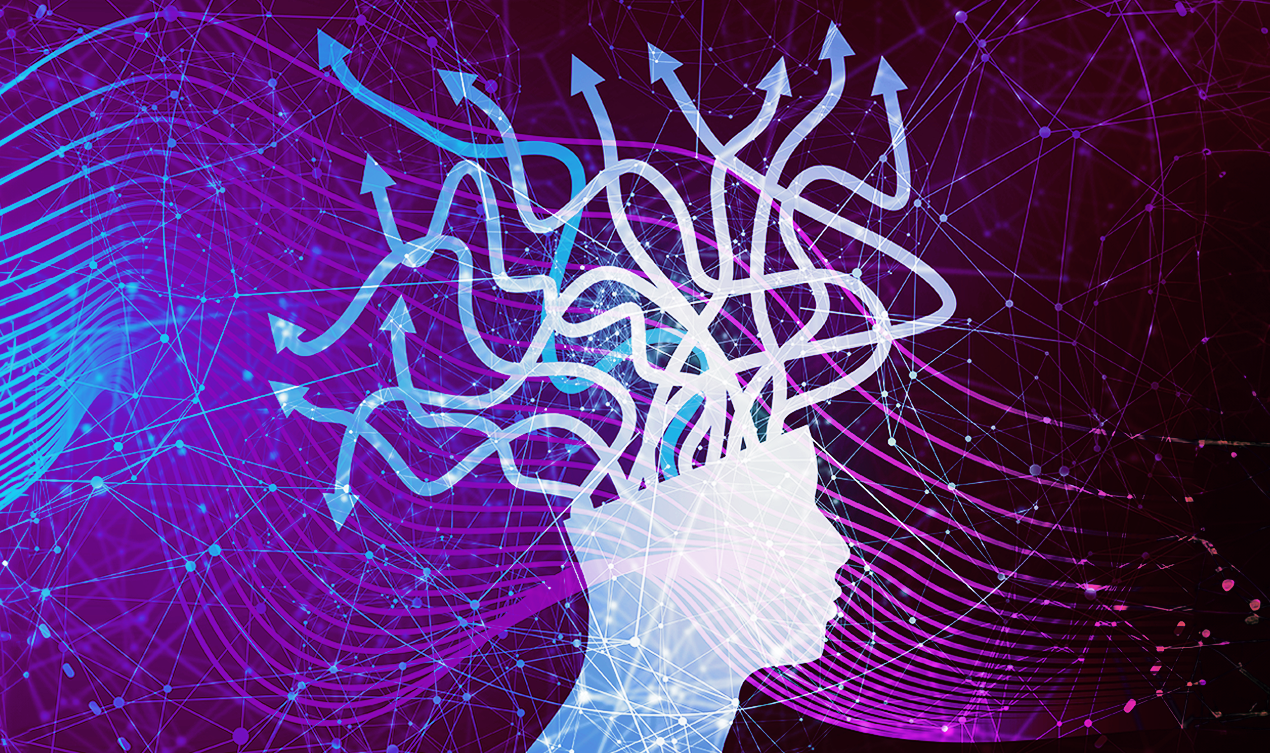
My approach does not deny the creative brilliance of Homer, or for that matter Brahms, the Beatles or David Bowie. Crucially though, it points to a tendency to mistake the temporal resonance in which their individuation occurs for an unaffected personal emergence. Which is to say, there is a tendency to see geniuses in their discrete human (individual) form without acknowledging the individuation of creativity in relation to external potentialities and capacities that permit creativity itself to echo through time. Along these lines, events are not a static backdrop to emergent genius. Events are the very medium through which individuality and creativity persistently surface. To isolate individuals from these social currents is to arrive at an apolitical, transcendent, essentialist tautology: the revered are revered simply because they exist as such.
From the shoulders of giants to rhizomatic relation
Want to continue reading?
Get unlimited access to insights from the world's leading thinkers.
Browse our subscription plans and subscribe to read more.
Already a subscriber? Log in
Love the iai?
Sign up to get exclusive access.

Related Posts:
Related Videos:
4th September 2026

Join the conversation