


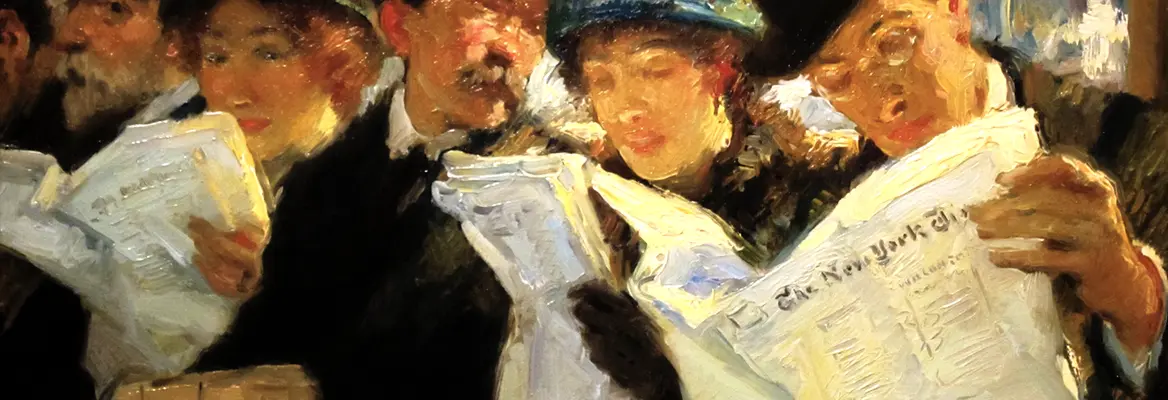

The decline of the professional reviewer is widely mourned as the death of criticism. While it’s tempting to celebrate this as a democratic victory for the internet, Guy Dammann and Elisabeth Schellekens argue that cultural gatekeeping hasn't disappeared - it's just changed shape. Authority has shifted from broadsheet editors to a tribal web of algorithms, podcasters, and niche forums. Criticism isn't dead; it has just evolved. Our modern gatekeepers look entirely different, but our reliance on them proves we still desperately need criticism to process new ideas and bind our culture together.
Few deaths have been more often foretold, or better chronicled, than that of arts criticism. Recent decades have seen commentators queuing up to mourn the demise of both academic and journalistic arts criticism. The mourners—for the most part critics themselves, understandably keen to write their own obituaries before their pens are taken away completely—cite mounting evidence of the crisis of criticism in the form of the steady disappearance of arts reviews from the pages of regional and national newspapers and their replacement by the frenzy of social-media-enabled opinion-mongering. In academia, too, scholars in disciplines such as literature and musicology, for the most part founded as domains of humanistic criticism, only rarely nowadays think of themselves as critics. Where arts scholarship in the first two-thirds of the twentieth century kept keenly in view the desire and duty to make and defend value judgments, judgments which often had significant impact on the way the arts were appreciated and practised, scholars today patiently excise all talk of aesthetic value both from their own work and that of their students. No wonder, given the decades of research assessment in which humanistic scholarship has been squeezed into the categories of scientific progress. But why do we subject the arts to historical and systematic study in the first place, if not to remind ourselves why we value them so highly?
___
Is criticism dead, or is everyone alive a critic?
___
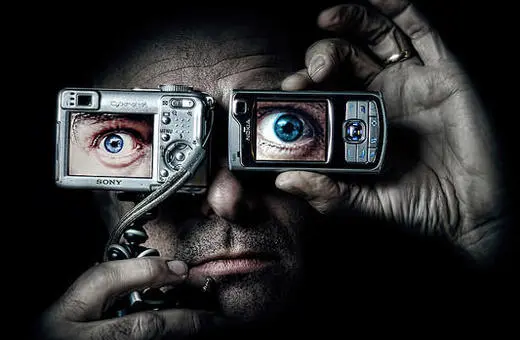
There is no doubt that the power and prestige once accorded to a small number of mostly white, male high-profile critics has largely evaporated. Figures such as F.R. Leavis or Harold Rosenberg, who could not only make or break individual reputations but shape the understanding and taste of entire artistic epochs, are evidently long gone. Sceptical commentators argue, however, that arts criticism has not disappeared but is, rather, flourishing in its newly found democratization. According to this view, the plethora of individual voices which the internet and social media platforms have enabled brings a diversity of perspective and erudition which is entirely to be welcomed, echoing as it does more closely the everyday experience of readers, spectators and listeners. Where before the gatekeepers of communication were kept at one remove from consumers via the one-way street of newsprint communication, the tweed jackets have now been replaced by smart math, as algorithms react in real time to the habits and preferences of real individuals. We’re all gatekeeping together now, every time we search, click and spend.
So which is it to be? Is criticism dead, or is everyone alive a critic?
Want to continue reading?
Get unlimited access to insights from the world's leading thinkers.
Browse our subscription plans and subscribe to read more.
Already a subscriber? Log in
Love the iai?
Sign up to get exclusive access.

Related Posts:
Related Videos:
Elisabeth Schellekens
7th May 2026
Join the conversation